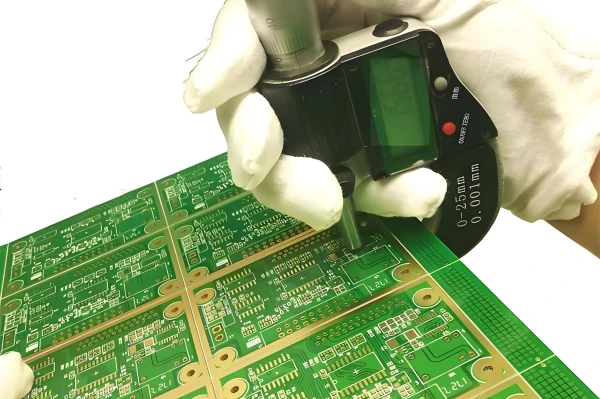

PCB Inspection: Ensuring Quality, Reliability, and Performance
In today’s electronics industry, PCB inspection plays a critical role in ensuring product quality, reliability, and long-term performance. As printed circuit boards become increasingly complex and compact, even minor defects can lead to functional failures, reduced lifespan, or costly recalls. This is why comprehensive PCB inspection is an essential part of modern PCB manufacturing.
What Is PCB Inspection?
PCB inspection refers to a series of quality control processes used to detect defects and verify that a printed circuit board meets design specifications and industry standards. These inspections are performed at different stages of PCB production, from bare board fabrication to final assembly, ensuring that potential issues are identified as early as possible.
Why PCB Inspection Is So Important
High-quality PCB inspection helps manufacturers and customers achieve several key goals:
-
Ensure electrical reliability and performance
-
Reduce production defects and rework costs
-
Improve yield and manufacturing efficiency
-
Meet IPC and customer-specific quality standards
-
Increase product safety and lifespan
Without proper inspection, defects such as open circuits, short circuits, poor solder joints, or misaligned components may go unnoticed until the PCB fails in the field.
Common PCB Defects Detected During Inspection
PCB inspection processes are designed to identify a wide range of potential issues, including:
-
Open circuits and short circuits
-
Misaligned or missing pads
-
Solder mask defects
-
Copper trace breaks or over-etching
-
Drilling inaccuracies and via defects
-
Surface contamination or oxidation
Early detection of these problems helps prevent costly delays and quality issues in later production stages.
Main PCB Inspection Methods
1. Visual Inspection
Visual inspection is the most basic form of PCB inspection, performed manually or with magnification tools. It helps identify obvious defects such as scratches, misalignment, or surface contamination. While simple, it is usually combined with more advanced inspection methods for higher accuracy.
2. Automated Optical Inspection (AOI)
AOI inspection uses high-resolution cameras and image processing software to automatically detect defects on PCB surfaces. AOI is highly effective for identifying solder mask issues, trace defects, missing features, and dimensional inaccuracies. It is widely used in mass PCB production due to its speed and consistency.
3. Electrical Testing (E-Test)
Electrical testing verifies the electrical continuity and insulation of the PCB. This method checks for opens, shorts, and correct net connectivity, ensuring that the board functions according to the design files. Electrical testing is a critical step before PCB shipment.
4. X-Ray Inspection
For multi-layer PCBs and high-density designs, X-ray inspection allows manufacturers to detect hidden internal defects such as via failures or internal short circuits. This method is especially important for complex and high-reliability applications.
PCB Inspection Standards
Professional PCB manufacturers typically follow international standards such as IPC-A-600 and IPC-6012, which define acceptable criteria for PCB quality and workmanship. Adhering to these standards ensures consistency, reliability, and customer confidence.
How Professional PCB Inspection Adds Value
A reliable PCB supplier does more than just fabricate boards — they provide robust inspection and quality assurance. Comprehensive PCB inspection helps customers:
-
Shorten time-to-market
-
Reduce failure risks in final products
-
Ensure stable performance in demanding applications
-
Achieve better cost control through defect prevention
Conclusion
PCB inspection is a vital part of high-quality PCB manufacturing. From visual checks to advanced AOI, electrical testing, and X-ray inspection, each method contributes to delivering reliable and high-performance printed circuit boards. Choosing a PCB manufacturer with strict inspection procedures and quality standards is essential for ensuring the success of your electronic products.
If you are looking for a trusted PCB supplier with professional inspection and quality control processes, working with an experienced manufacturer can make all the difference.