
Understanding PCB Materials: A Comprehensive Guide
Understanding PCB Materials: A Comprehensive Guide
Printed Circuit Boards (PCBs) are the backbone of modern electronics, providing mechanical support and electrical connections for electronic components. One of the most critical aspects of PCB manufacturing is the selection of the right board material, as it directly impacts performance, durability, and reliability.
What Are PCB Materials?
PCB materials refer to the substrate and conductive layers used to build a circuit board. These materials determine the electrical insulation, thermal stability, and mechanical strength of the PCB. Choosing the appropriate material is essential for ensuring optimal performance in different applications.
Common Types of PCB Materials
1. FR-4 (Flame Retardant 4)
FR-4 is the most widely used PCB material. It is a glass-reinforced epoxy laminate known for its excellent mechanical strength, good electrical insulation, and cost-effectiveness. FR-4 is suitable for most general-purpose electronics, including consumer devices and industrial equipment.
2. CEM (Composite Epoxy Material)
CEM materials are a combination of paper and glass fiber with epoxy resin. They are more cost-effective than FR-4 and are commonly used in single-layer or low-cost PCBs, such as household electronics.
3. High-Frequency Materials
For applications requiring high-speed signal transmission, such as telecommunications and RF systems, specialized materials like PTFE (Teflon-based laminates) are used. These materials offer low dielectric loss and stable performance at high frequencies.
4. Metal Core PCBs (MCPCB)
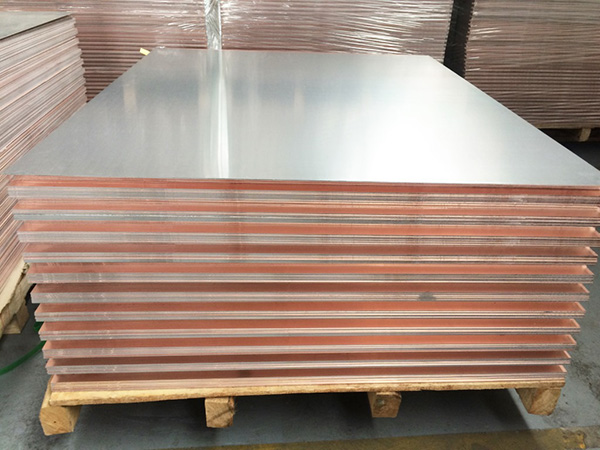
Metal core PCBs, typically using aluminum or copper as the base, are designed for superior heat dissipation. They are widely used in LED lighting, power electronics, and automotive applications where thermal management is critical.
5. Flexible PCB Materials
Flexible PCBs are made from materials like polyimide, allowing the board to bend and fold. These are ideal for compact and lightweight devices such as wearable electronics, medical devices, and smartphones.
Key Factors in Material Selection
When choosing PCB materials, several factors should be considered:
- Thermal Performance: Ability to withstand and dissipate heat
- Electrical Properties: Dielectric constant and signal integrity
- Mechanical Strength: Durability and resistance to stress
- Cost Efficiency: Balance between performance and budget
- Application Requirements: Specific needs such as flexibility or high frequency
Why Material Selection Matters
The right PCB material ensures long-term reliability, minimizes signal loss, and improves overall product performance. Poor material selection can lead to overheating, signal degradation, and even system failure.
Our PCB & PCBA Expertise
As a professional PCB and PCBA service provider, we offer a wide range of material options tailored to your project needs. Whether you require standard FR-4 boards, high-frequency laminates, or advanced thermal solutions, our team ensures high-quality manufacturing and strict quality control at every stage.
Conclusion
Understanding PCB materials is essential for designing efficient and reliable electronic products. By selecting the right substrate and working with an experienced PCB manufacturer, you can achieve optimal performance and cost-effectiveness for your projects.