
Exploring the Role of Medical PCBs in Modern Healthcare Devices
Exploring the Role of Medical PCBs in Modern Healthcare Devices
Table of Contents
1. Understanding Medical PCBs: An Overview
2. The Anatomy of a Medical PCB
3. The Importance of Medical PCBs in Healthcare
3.1 Enhancing Diagnostic Accuracy
3.2 Improving Patient Monitoring Systems
3.3 Facilitating Advanced Treatment Options
4. Types of Medical PCBs
4.1 Single-Sided PCBs
4.2 Double-Sided PCBs
4.3 Multilayer PCBs
5. Manufacturing Challenges and Solutions
6. Regulatory Standards and Compliance
7. Future Trends in Medical PCB Technology
8. Frequently Asked Questions (FAQs)
8.1 What are Medical PCBs?
8.2 How do PCBs impact medical device performance?
8.3 What are the differences between standard and medical PCBs?
8.4 How is PCB technology evolving in healthcare?
8.5 What are the regulatory requirements for medical PCBs?
1. Understanding Medical PCBs: An Overview
Medical printed circuit boards (PCBs) are the backbone of modern healthcare devices. They provide the necessary electrical connections for various components, facilitating communication and functionality. Medical PCBs are designed to meet rigorous safety and performance standards, ensuring their reliability in critical healthcare applications. As the healthcare industry continues to evolve, the demand for advanced medical PCBs has surged, driving innovation and enhancing patient care.
2. The Anatomy of a Medical PCB
A medical PCB comprises several layers, each serving a specific purpose. The layers include:
- **Substrate**: The foundation that supports the other layers, typically made from materials like FR-4 or polyimide.
- **Conductive Layer**: The copper pathways that connect different components, enabling electrical flow and communication.
- **Solder Mask**: A protective layer that prevents solder from bridging between conductive paths, enhancing reliability.
- **Silkscreen**: Printed markings that provide essential information about the components and layout.
Understanding these components is crucial for appreciating how medical PCBs function within healthcare devices.
3. The Importance of Medical PCBs in Healthcare
Medical PCBs play a vital role in several aspects of healthcare, enhancing both device functionality and patient outcomes.
3.1 Enhancing Diagnostic Accuracy
In diagnostic devices such as MRI machines, ultrasound equipment, and blood analyzers, precision is paramount. Medical PCBs enable seamless communication between sensors and processors, facilitating accurate readings and timely diagnosis. The integration of advanced PCB technologies has significantly reduced error rates, ultimately leading to better healthcare decisions.
3.2 Improving Patient Monitoring Systems
Wearable devices and remote patient monitoring systems rely heavily on medical PCBs. These devices continuously gather and transmit health data, allowing healthcare providers to monitor patients in real-time. By utilizing sophisticated sensors and communication technologies embedded within PCBs, these systems enhance patient safety and promote proactive healthcare management.
3.3 Facilitating Advanced Treatment Options
Medical devices used in treatment, such as infusion pumps and surgical robots, depend on medical PCBs for their operation. The reliability and precision provided by PCBs ensure that treatments are delivered accurately and effectively, minimizing risks during procedures. As technology advances, the capabilities of these devices continue to expand, transforming the way treatments are administered.
4. Types of Medical PCBs
Different applications in healthcare require specific types of PCBs, each with unique characteristics.
4.1 Single-Sided PCBs
Single-sided PCBs have components mounted on one side only, making them simpler and less expensive to manufacture. They are commonly used in basic medical devices where space and budget constraints are a consideration.
4.2 Double-Sided PCBs
Double-sided PCBs have components on both sides, allowing for a more compact design and increased functionality. These are often used in more complex devices that require additional connectivity and processing power.
4.3 Multilayer PCBs
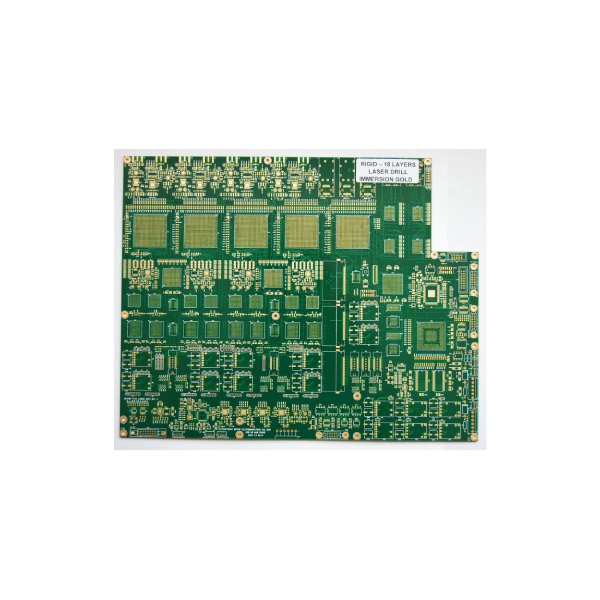
Multilayer PCBs consist of multiple layers of substrate and conductive pathways, enabling advanced designs that are essential for high-performance medical devices. These PCBs support intricate circuits and are often found in sophisticated equipment like imaging systems and life support machines.
5. Manufacturing Challenges and Solutions
The manufacturing of medical PCBs presents several challenges, including the need to maintain high precision and compliance with regulatory standards.
- **Component Placement**: Ensuring accurate placement of components is critical for device performance. Automated pick-and-place machines are commonly used to minimize errors.
- **Thermal Management**: Managing heat dissipation is essential as medical devices often operate in challenging environments. Advanced materials and thermal management techniques are employed to address this issue.
- **Quality Control**: Rigorous testing and quality assurance processes are essential to meet the stringent requirements for medical devices. This includes functional testing, reliability testing, and compliance with industry standards.
6. Regulatory Standards and Compliance
Medical PCBs must adhere to strict regulatory standards to ensure safety and efficacy. Organizations such as the FDA in the United States and the ISO (International Organization for Standardization) set guidelines for the design, manufacturing, and testing of medical devices. Compliance with these standards is crucial for market approval and patient safety.
7. Future Trends in Medical PCB Technology
The future of medical PCB technology is promising, with several trends shaping the industry:
- **Miniaturization**: As devices become smaller, the demand for compact PCBs that can accommodate advanced functionalities is increasing.
- **Flexible PCBs**: Flexible and hybrid PCBs are gaining popularity due to their adaptability in various applications, particularly wearable devices and implants.
- **Integration of IoT Technologies**: The Internet of Things (IoT) is revolutionizing healthcare by enabling smart devices that can communicate and share data seamlessly. PCBs will play a crucial role in integrating IoT capabilities into medical devices.
8. Frequently Asked Questions (FAQs)
8.1 What are Medical PCBs?
Medical printed circuit boards are specialized circuit boards designed for use in medical devices, ensuring safety, reliability, and performance.
8.2 How do PCBs impact medical device performance?
PCBs are critical for facilitating electrical connections and communication between components, significantly influencing a device's overall functionality and reliability.
8.3 What are the differences between standard and medical PCBs?
Medical PCBs must meet stricter regulatory standards and are designed with enhanced reliability and performance for use in healthcare applications.
8.4 How is PCB technology evolving in healthcare?
PCB technology is evolving with trends like miniaturization, flexible designs, and integration of IoT, enhancing the capabilities of medical devices.
8.5 What are the regulatory requirements for medical PCBs?
Medical PCBs must comply with various regulatory standards established by organizations like the FDA and ISO to ensure safety and effectiveness.
Conclusion
Medical PCBs are indispensable components in the rapidly advancing world of healthcare technology. Their ability to improve diagnostic accuracy, enhance patient monitoring, and facilitate advanced treatment options underscores their significance in modern medical devices. As we look to the future, the role of medical PCBs will only grow, driven by innovations in technology and an increasing demand for reliable healthcare solutions. Understanding the vital functions of these circuit boards can help stakeholders appreciate their contributions to improving patient care and outcomes.